

What Homeowners Should Know Before Scheduling Tree Removals
Trees enhance residential landscapes by providing shade, supporting wildlife, and contributing to a property’s overall appearance. However, certain circumstances make tree removal necessary to protect structures, maintain outdoor spaces, and address potential safety concerns. Understanding the process before scheduling professional services helps homeowners make informed decisions and prepare their properties appropriately.
Whether a tree has sustained storm damage, developed structural problems, or begun interfering with nearby structures, careful planning is essential. Professional tree removals involve evaluating tree conditions, identifying surrounding hazards, and selecting appropriate equipment for the property’s specific needs. Knowing what to expect can help homeowners communicate effectively with contractors and avoid unexpected complications.
Understanding When Tree Removal Is Necessary
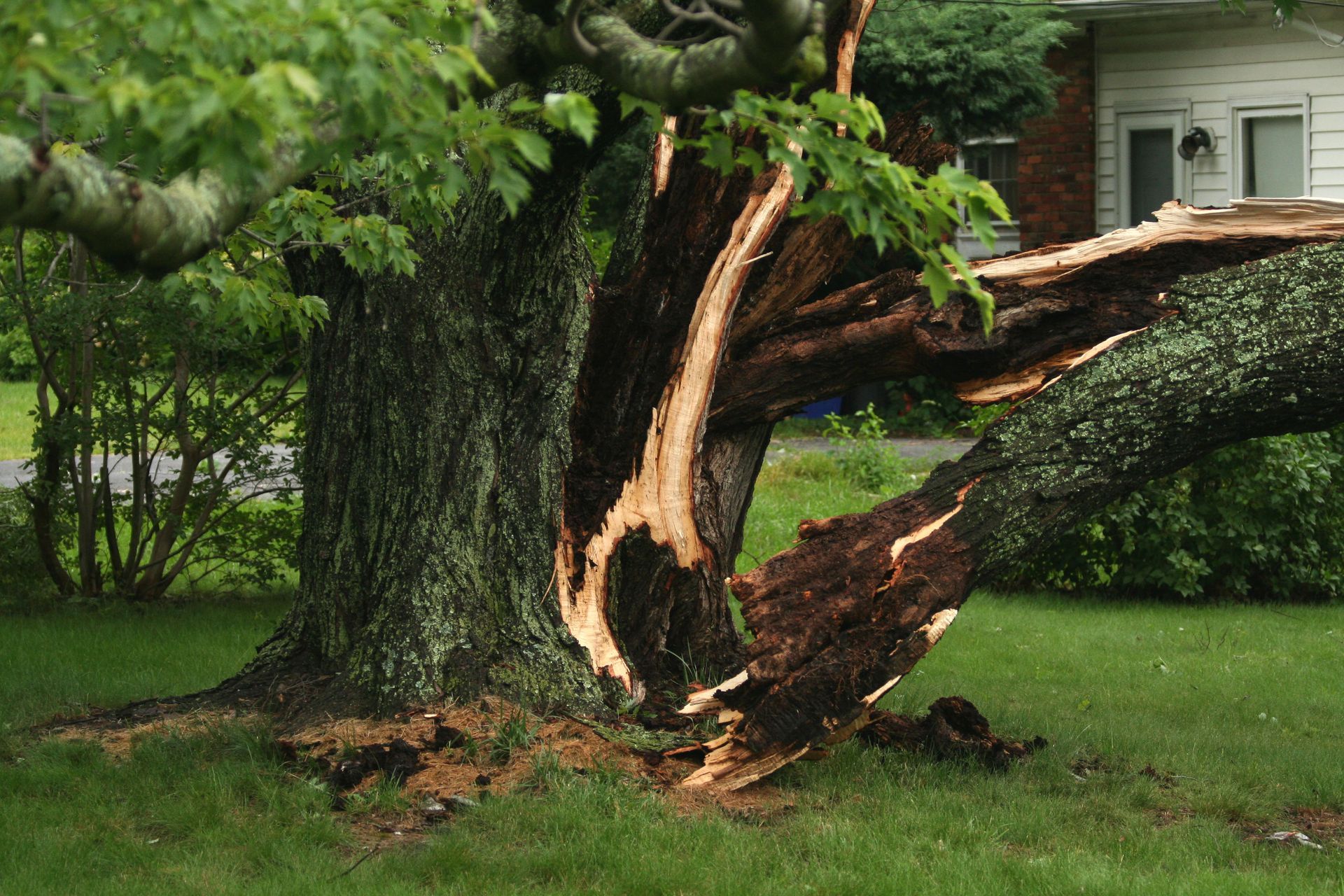
Not every unhealthy or damaged tree requires removal. Some trees can recover through professional pruning, treatment, or corrective maintenance. However, significant structural damage, extensive decay, and severe disease may make preservation impractical or unsafe. A qualified tree care professional can evaluate these conditions and recommend an appropriate course of action.
Visible warning signs may include large dead branches, significant trunk cracks, extensive fungal growth, or noticeable changes in a tree’s stability. Trees that lean unexpectedly or develop exposed roots may also require closer examination. Although these symptoms do not automatically indicate that removal is necessary, they can signal problems that deserve professional attention.
Evaluating Tree Health and Structural Stability
A thorough evaluation provides important information about a tree’s condition before removal work begins. Arborists examine factors such as trunk integrity, branch distribution, root conditions, and signs of disease. They may also consider whether previous storms, construction activity, or soil changes have affected the tree’s stability.
Tree health and structural safety are closely related but represent different considerations. A tree can appear healthy while containing hidden defects that compromise its strength. Conversely, a tree with limited foliage or isolated dead branches may remain structurally sound enough to preserve through appropriate maintenance.
Professional knowledge is particularly valuable when identifying these distinctions. According to the U.S. Bureau of Labor Statistics, approximately 50,270 people work nationwide in occupations involving tree trimming and pruning. This specialized workforce supports property maintenance by addressing vegetation management, structural concerns, and other tree-related needs.
Preparing Your Property for Professional Services
Property preparation can help contractors perform their work efficiently while minimizing disruptions to surrounding areas. Before scheduling tree removals, homeowners should discuss access requirements, landscaping features, and obstacles that might affect equipment placement or debris handling.
Driveways, gates, fences, and nearby structures can influence how crews approach the work. Limited access may require specialized equipment or additional planning, particularly when large trees stand within enclosed yards. Contractors should evaluate these conditions before establishing the scope of service.
Homeowners should also identify landscaping features they want protected, including flower beds, irrigation components, decorative structures, and established plants. Although tree work can temporarily disturb surrounding areas, discussing vulnerable features beforehand helps contractors plan protective measures when feasible.
Vehicles, outdoor furniture, and movable decorations may need to be relocated before the scheduled appointment. The contractor should explain which areas must remain clear and whether nearby residents need advance notice. Clear communication reduces misunderstandings and helps establish reasonable expectations regarding property access and temporary inconvenience.
Reviewing Safety Procedures and Contractor Qualifications
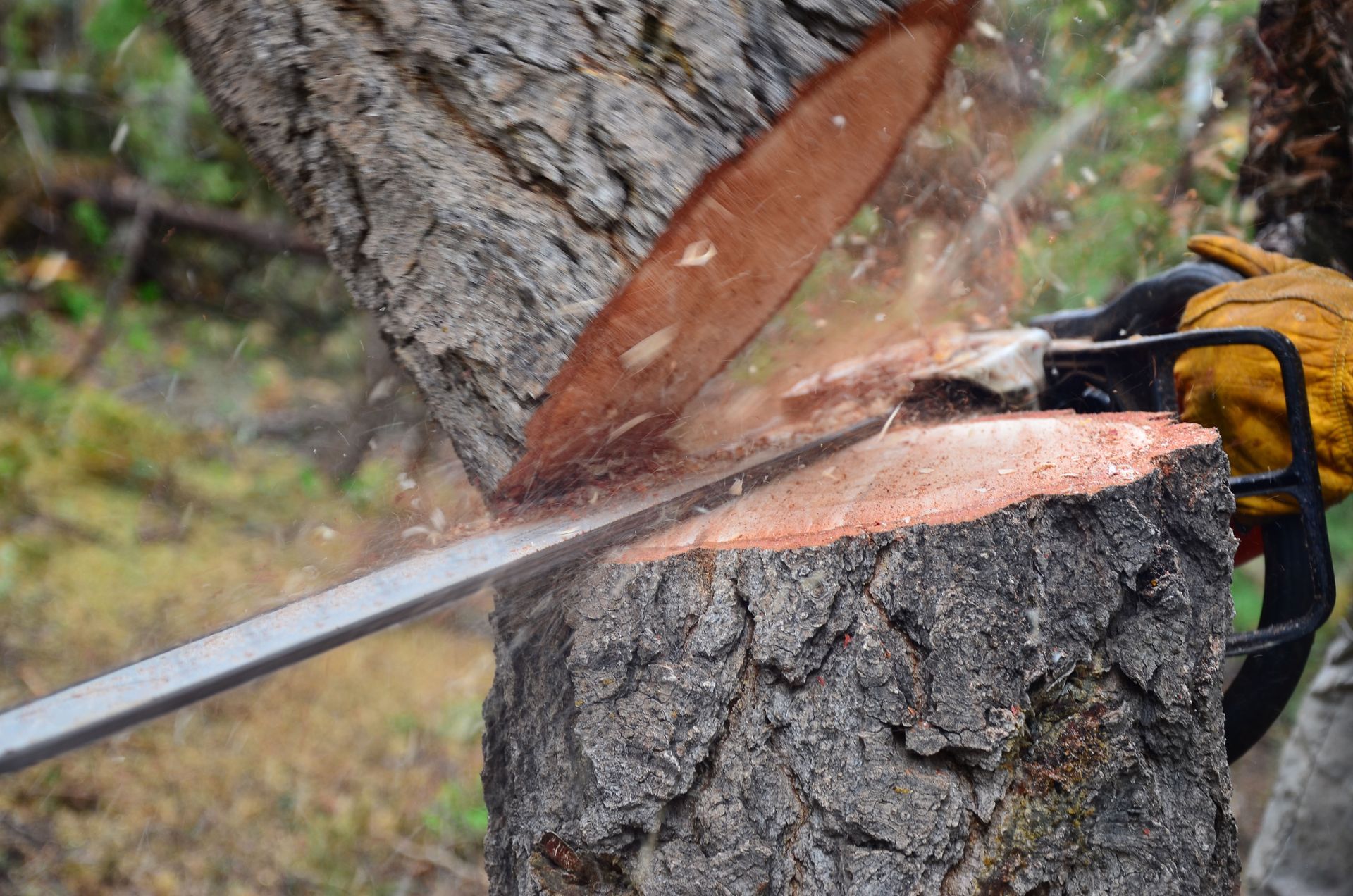
Tree removal presents hazards involving falling branches, heavy equipment, overhead utilities, and unstable wood. Professional crews must account for these risks when developing a removal strategy. Homeowners should prioritize contractors who demonstrate appropriate training, use suitable protective equipment, and follow established safety practices.
Insurance coverage deserves particular attention. Before accepting an estimate, property owners should ask about liability insurance and workers’ compensation coverage. Requesting current documentation can help clarify available protections if an accident causes property damage or someone sustains an injury during the project.
Contractor experience also matters because removal methods vary considerably depending on tree size, location, and surrounding conditions. A tree standing in an open field presents different challenges from one positioned beside a residence or electrical infrastructure.
Comparing Estimates and Service Inclusions
Obtaining detailed estimates allows homeowners to understand what a proposed service includes and how different contractors approach the same project. Pricing can vary based on tree dimensions, structural condition, location, accessibility, and equipment requirements.
When comparing estimates for tree removals, homeowners should look beyond the quoted total. A comprehensive proposal should identify the intended work, explain applicable limitations, and clarify whether debris handling, stump services, and site cleanup are included.
Some contractors provide removal services that leave the stump in place, while others offer grinding or additional restoration as separate options. Understanding these distinctions before signing an agreement helps prevent confusion after the main work is completed.
Property owners should also ask whether the estimate accounts for potential complications, such as difficult equipment access or unexpected structural instability. Although certain conditions cannot be fully assessed beforehand, clear communication about possible changes helps establish realistic expectations.
Written agreements offer additional clarity by documenting responsibilities, scheduling arrangements, payment expectations, and the services being purchased. Homeowners benefit from reviewing these details carefully before authorizing work.
Considering Permits, Boundaries, and Seasonal Conditions
Local regulations can influence whether a homeowner may remove a particular tree. Some municipalities protect trees based on species, size, location, or environmental significance. Homeowners should confirm applicable requirements with local authorities or qualified contractors before scheduling work.
Property boundaries introduce another important consideration. Trees growing near neighboring properties may create uncertainty about ownership or responsibility. A tree’s trunk location, rather than the direction its branches extend, often plays an important role in determining ownership under applicable local rules.
Homeowners should resolve boundary questions before approving removal, particularly when access to adjacent property may be necessary. Clear communication with neighbors can also reduce concerns about noise, equipment placement, and temporary disruptions.
Weather conditions may affect scheduling and worksite safety. Heavy rain can soften soil and complicate equipment movement, while strong winds may increase hazards during cutting operations. Contractors may recommend postponements when conditions make the planned work unsafe.
Seasonal factors can influence scheduling availability as well. Storm activity and periods of increased demand may affect appointment options, making planning useful when removal is not urgent.
Planning for Cleanup and Long-Term Landscape Care
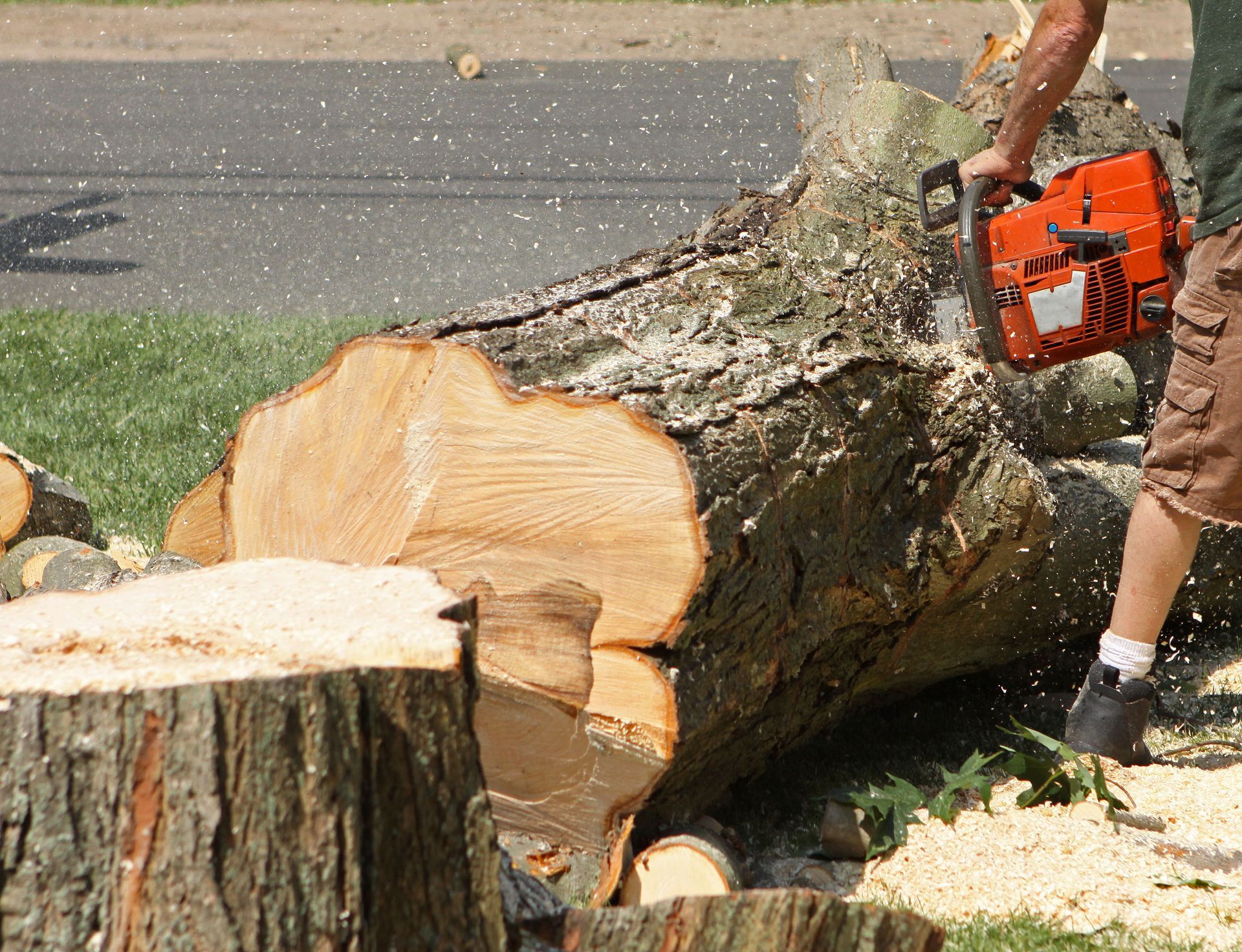
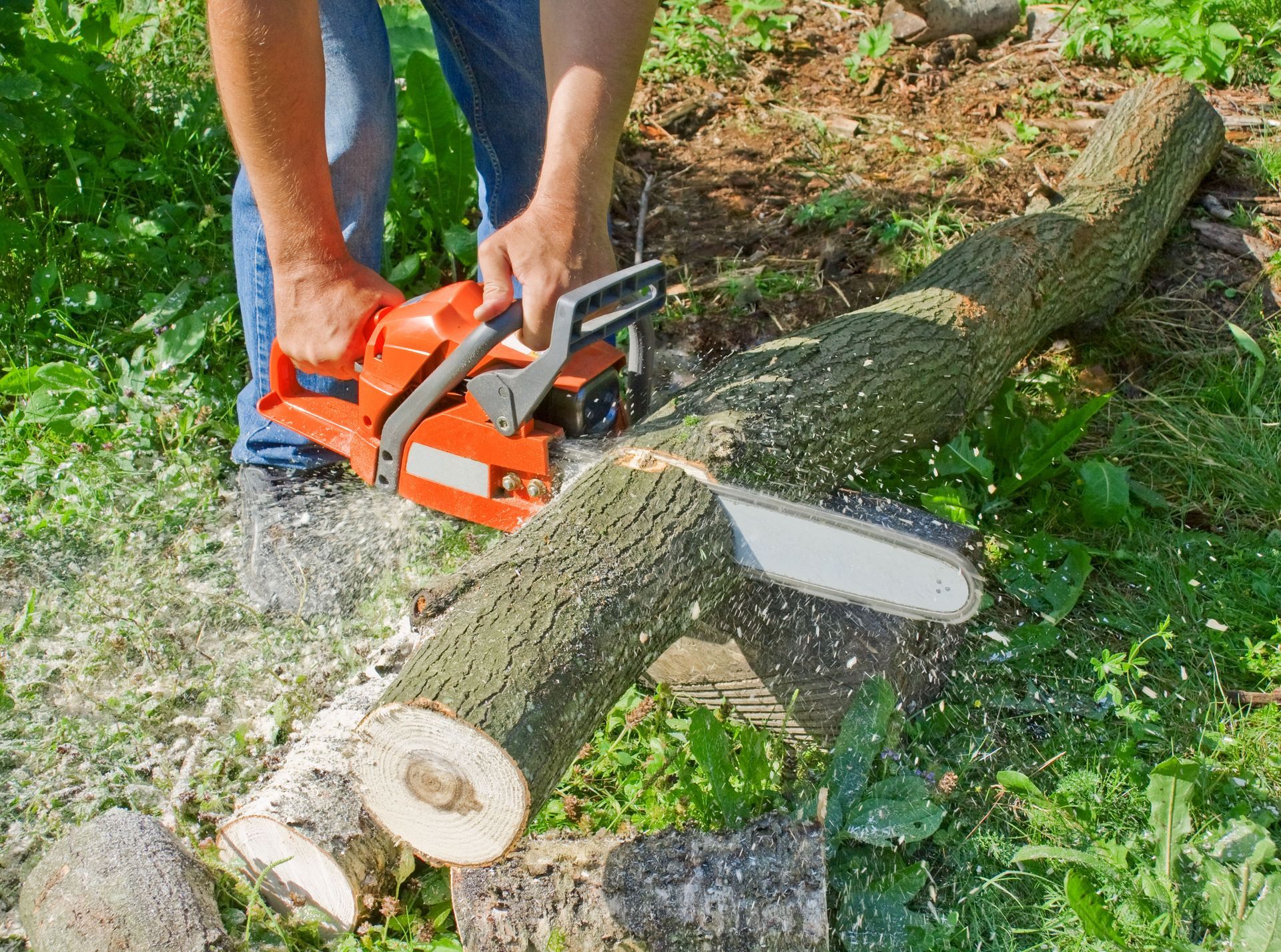
The work does not necessarily end when a tree reaches the ground. Branches, logs, wood chips, and other debris may require removal or processing. Discussing cleanup expectations beforehand helps homeowners understand how their property will look after the crew leaves.
Professional tree removals can also change the surrounding landscape. Removing a mature tree may increase sunlight exposure, alter soil moisture conditions, or leave nearby vegetation more exposed to wind. These changes can affect lawns, gardens, and plants that previously benefited from shade.
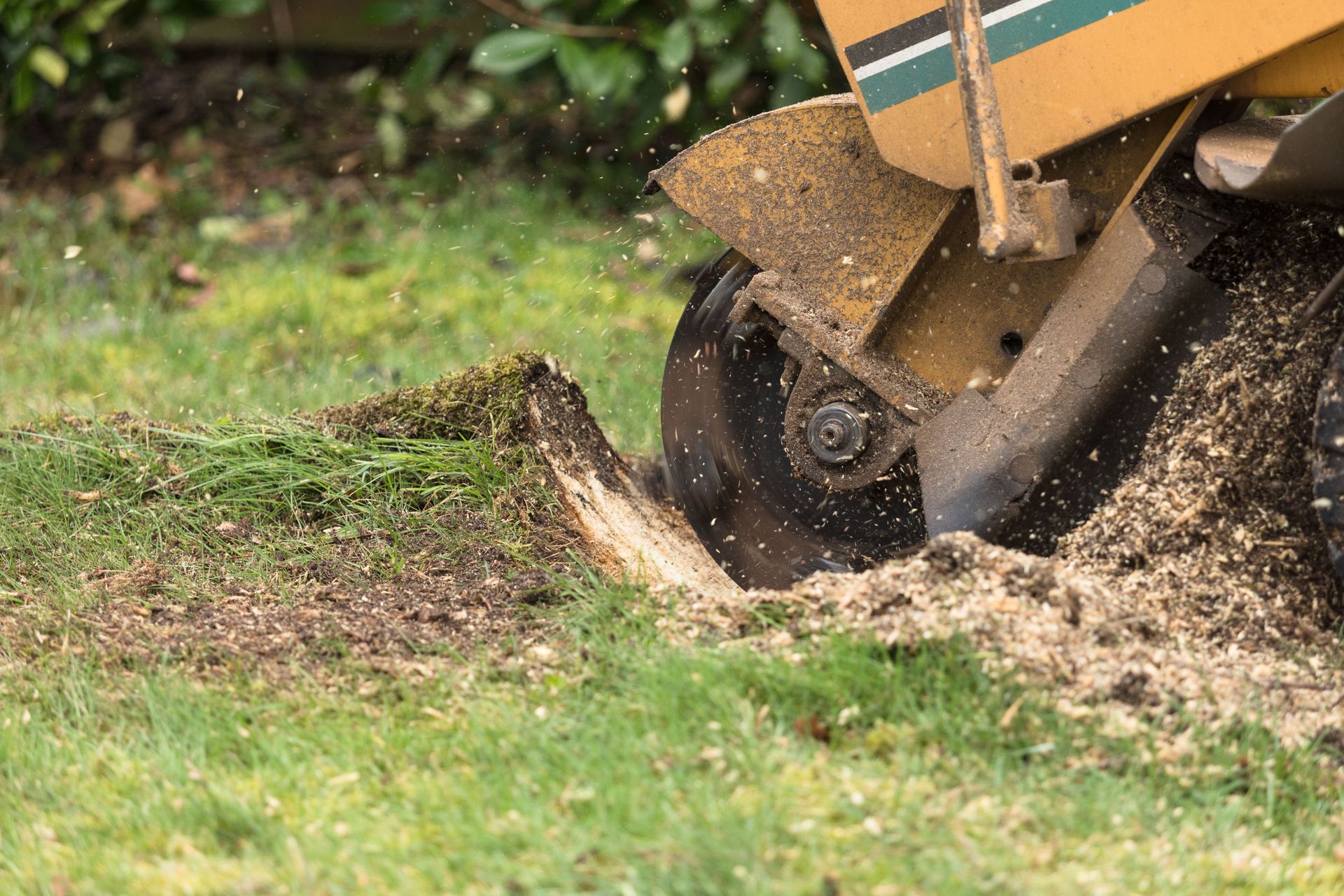
Stump management represents another consideration. Depending on future landscaping plans, homeowners may prefer stump grinding or another professionally recommended treatment. Any remaining roots may gradually decay underground, potentially affecting the surrounding soil over time.
Homeowners planning replacement plantings should consider available space, mature tree dimensions, and proximity to buildings or underground infrastructure. Selecting suitable species with guidance from knowledgeable professionals can reduce future maintenance concerns.
A thoughtful restoration plan helps ensure that removal addresses the immediate problem without creating avoidable complications for the property’s long-term appearance and usability.
Making an Informed Tree Removal Decision
Scheduling professional tree removals requires more consideration than identifying an unwanted or damaged tree. Evaluating structural conditions, reviewing contractor qualifications, understanding service estimates, and confirming property requirements all contribute to a more organized experience.
Homeowners who communicate their concerns clearly and understand the proposed scope of work are better positioned to make decisions that support safety and responsible property maintenance. Careful planning also helps protect surrounding landscape features and establishes realistic expectations for cleanup and restoration.
If you are concerned about a damaged, unstable, or unwanted tree, Houston Tree Service Team is here to help. We understand that every property presents unique challenges, and our team can discuss your concerns and evaluate your service needs. Contact us to learn more about our tree removal, explore your options, and schedule a consultation. We look forward to helping you make informed decisions about your property and providing the professional attention your landscape deserves.
Share On: