

Should You Remove a Non-Native Tree? What Local Tree Removal Companies Say
Non-native trees are a common part of many residential and commercial landscapes. Some were introduced decades ago for shade, fast growth, or ornamental appeal, while others arrived through landscaping projects and development efforts. Although many non-native species coexist with local environments, others can create challenges that affect native plants, wildlife, and property owners. As a result, many people wonder whether a non-native tree should remain or be removed.
The answer is rarely simple. Every tree species, property, and ecosystem is different. Many local tree removal companies evaluate factors such as tree health, environmental impact, safety concerns, and long-term maintenance requirements before recommending removal. Their experience provides valuable insight into when removal may be beneficial and when preservation may be the better choice.
The tree care industry continues to grow as property owners place greater emphasis on landscape management. According to IBIS World, there were approximately 144,000 tree trimming service businesses in the United States, and the industry grew at a compound annual growth rate of 7.6% between 2019 and 2024. This growth highlights the increasing reliance on professional arborists and local tree removal companies for guidance on tree management decisions.
Understanding Non-Native Trees
A non-native tree is any tree species introduced outside its natural geographic range. These trees may be brought into an area intentionally for landscaping, timber production, erosion control, or aesthetic purposes. Some species adapt well without causing significant issues, while others become invasive and spread aggressively.
Many local tree removal companies stress the importance of proper identification before making management decisions. Not every non-native tree creates problems, and some may offer benefits that outweigh potential concerns. Understanding the species and its behavior is the first step in determining whether removal is necessary.
Common Reasons Non-Native Trees Were Introduced
Many non-native trees were originally planted because they offered desirable qualities. Some grow faster than native species, making them attractive for creating shade quickly. Others feature colorful flowers, unique foliage, or resistance to certain environmental conditions.
Urban planners and developers have historically used non-native species because of their adaptability and visual appeal. In some cases, these trees were planted to stabilize soil, provide windbreaks, or improve the appearance of newly developed properties.
While these benefits often explain why non-native trees became popular, long-term impacts are not always apparent at the time of planting. Some species eventually spread beyond intended areas and begin competing with native vegetation. This is one reason local tree removal companies frequently evaluate both the benefits and potential risks associated with non-native trees.
Ecological Concerns Associated with Non-Native Trees
One of the primary reasons for considering removal is the potential ecological impact. Certain non-native trees can compete aggressively with native species for sunlight, water, and nutrients. Over time, this competition may reduce biodiversity and alter the structure of local ecosystems.
Because of these concerns, many local tree removal companies work closely with property owners to assess whether a tree is causing environmental harm. Removal may be recommended when a species threatens native vegetation or contributes to ecological imbalance.
Safety Risks and Property Concerns
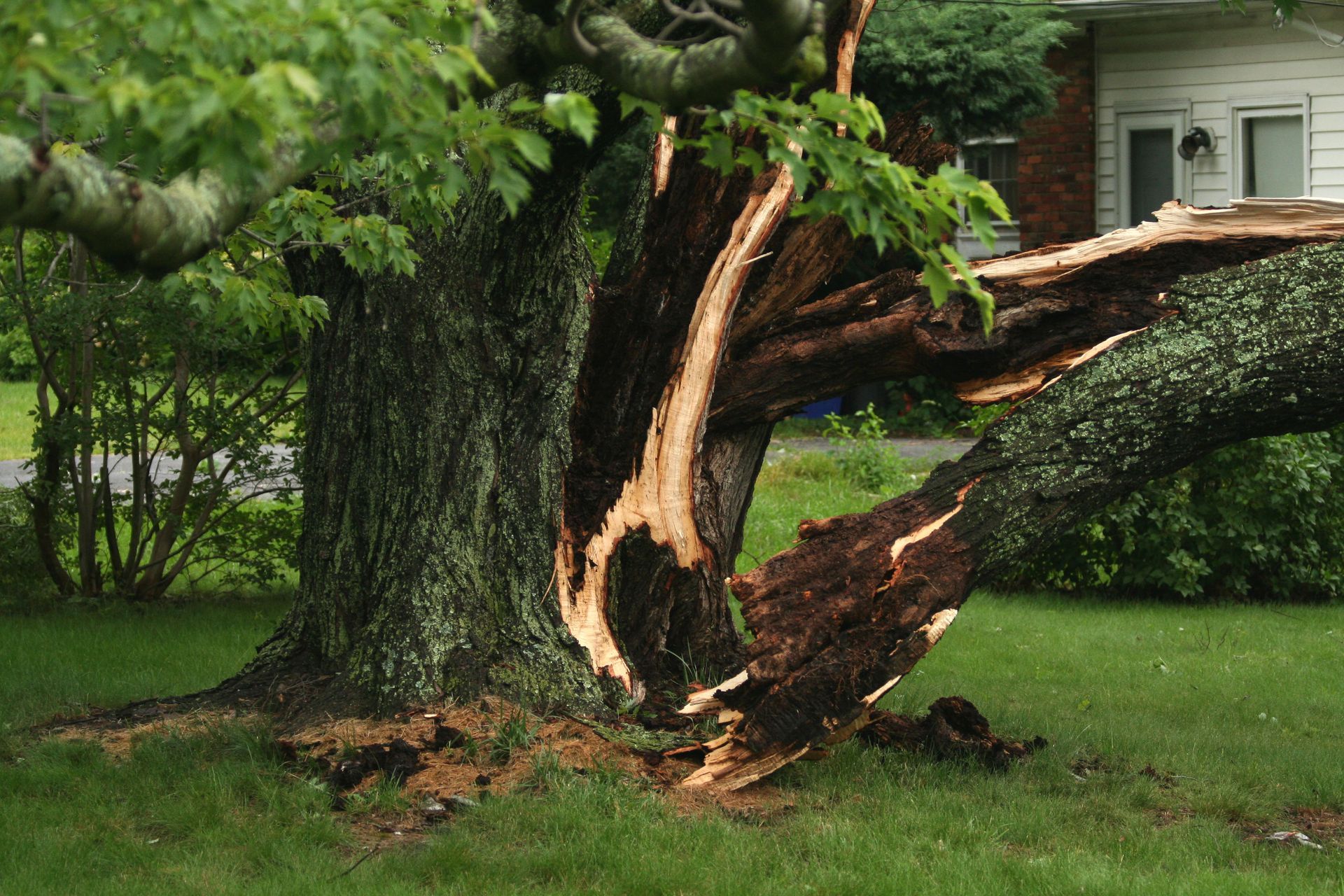
Environmental impact is not the only factor considered when evaluating non-native trees. Safety concerns often play a significant role in removal decisions. Some non-native species are more prone to structural weaknesses than native trees. Brittle branches, shallow root systems, and susceptibility to storm damage can create risks for homes, vehicles, and pedestrians. Trees weakened by pests or disease may become even more hazardous.
Certain species are also known for aggressive root systems that can damage sidewalks, driveways, foundations, and underground utilities. Repairing this type of damage can be costly and disruptive. Local tree removal companies frequently inspect trees for signs of instability, decay, and structural defects. When a non-native tree presents a significant safety hazard, removal may be the most responsible solution.
Fire Hazards and Environmental Risks
In some regions, non-native trees contribute to increased wildfire risk. Species containing high levels of volatile oils can ignite more easily and burn more intensely during fire events. Trees that produce excessive leaf litter or dry debris may further contribute to fuel accumulation around properties. In fire-prone areas, managing these risks is often a priority for homeowners and municipalities.
Non-native trees may also attract pests and diseases unfamiliar to local ecosystems. Some species become hosts for insects or pathogens that can spread to nearby vegetation, creating additional environmental concerns. Many local tree removal companies consider fire risk and pest vulnerability when evaluating whether removal is appropriate. These assessments help property owners reduce hazards while protecting surrounding landscapes.
Cases Requiring Removal
There are several situations where removing a non-native tree may be the most practical choice. Trees that are invasive, unhealthy, structurally compromised, or causing property damage often fall into this category. If a tree is crowding out native vegetation or spreading aggressively across a property, removal can help restore ecological balance. Likewise, trees suffering from severe disease or extensive storm damage may no longer provide meaningful benefits.
Property owners should also consider future maintenance requirements. Some non-native species require ongoing pruning, root management, and monitoring to prevent problems. When maintenance costs become excessive, removal may be a more economical long-term solution. Experienced local tree removal companies can assess these factors and determine whether removal is justified based on the tree's condition and impact.
Reasons to Keep a Non-Native Tree
While removal is sometimes necessary, it is not always the best option. Many non-native trees provide valuable benefits and pose little threat to their surroundings. Healthy non-native trees often provide shade, improve air quality, reduce stormwater runoff, and enhance property appearance. Mature trees can also increase property value and contribute to energy savings by lowering cooling costs during warmer months.
Some non-native species support wildlife by offering shelter and food resources. Even when they are not native, they may still contribute positively to local ecosystems. For these reasons, local tree removal companies often recommend preservation when a tree is healthy, stable, and not causing environmental or safety concerns. Proper maintenance can extend the life of these trees while minimizing potential risks.
Legal and Regulatory Considerations
Property owners should also be aware of local regulations when considering tree removal. Certain municipalities have ordinances governing tree removal, particularly for large or historically significant specimens. In some areas, invasive species removal may be encouraged or even required. In others, permits may be necessary before cutting down certain trees. Failure to comply with local regulations can result in fines or project delays.
Professional tree care providers help property owners navigate these requirements. Many local tree removal companies understand local ordinances and can guide clients through permitting processes when necessary. Consulting professionals before taking action helps ensure compliance while supporting responsible environmental stewardship.
The Importance of Professional Evaluation
Determining whether a non-native tree should be removed requires careful evaluation. Factors such as species characteristics, health, location, environmental impact, and safety concerns must all be considered. Professional arborists have the training and experience needed to assess these variables accurately. They can identify signs of disease, evaluate structural integrity, and determine whether a tree poses risks to people or property.
Many local tree removal companies also provide recommendations for replacement trees when removal is necessary. Selecting appropriate native or non-invasive species can help maintain landscape beauty while supporting local ecosystems. A professional assessment ensures that decisions are based on facts rather than assumptions, resulting in better outcomes for both property owners and the environment.
Whether a non-native tree should be removed depends on its condition, location, and impact on the surrounding environment. Some non-native species coexist successfully with local ecosystems and provide valuable benefits, while others become invasive, create safety hazards, or damage property. The decision should always be based on careful evaluation rather than assumptions. Professional guidance helps property owners understand the risks and benefits associated with specific trees and determine the most appropriate course of action.
If you are concerned about a non-native tree on your property, contact Houston Tree Service Team today. Our experienced professionals can assess tree health, identify potential risks, and provide expert recommendations to help you make informed decisions about your landscape.
Share On: