

Sustainable Tree Removal Practices
The contemporary focus on sustainability has brought new insight into many industries. Eco-conscious arboriculture practices are fundamental to curbing climate change and preserving biodiversity. Their significance is amplified as urban expansion and construction projects continue to increase. This article delves into the importance of sustainable plant management, innovative methods being adopted, policy and community influences on these practices, and their economic impacts. Moreover, the future outlook for these methods, tied closely with technology and policy advancements, will be examined.
Mitigating Environmental Degradation
Traditional tree removal methods, while effective, often have detrimental effects on the environment. These conventional practices can lead to soil degradation, loss of habitat for various species, and increased carbon emissions. Furthermore, indiscriminate logging aggravates the urban heat island effect, reducing air quality and contributing to climate change. Sustainable practices seek to mitigate these impacts by making informed decisions that benefit both natural ecosystems and human populations. An essential factor in modern arboriculture is finding a balance between development needs and environmental preservation.
Balancing Urban Expansion
Vegetation management plays a crucial role in landscape design and urban planning, as maintaining and reshaping landscapes can enhance property value and aesthetic appeal. However, sustainability must be at the forefront as cities grow, necessitating a reevaluation of current practices. As urban areas expand, the interface between natural and developed environments requires thoughtful integration. This balance can be achieved through practices that emphasize replanting and the maintenance of green spaces. According to the U.S. Census Bureau, construction is likely to drive the growth of the tree services market, with related spending increasing 6.7% YoY.
Deploying Modern Methods
Technological advancements have paved the way for non-invasive tree removal methods, reducing environmental impact compared to traditional techniques. For example, selective cutting, an approach that chooses specific trees for extraction while preserving the surrounding ecosystem, reduces habitat destruction. Techniques such as girdling, which removes only the bark and cambium, allow for targeted extraction without affecting nearby foliage. These methods prioritize maintaining biodiversity and ecosystem function while accommodating the needs of urban development. Such innovative practices redefine the relationship between construction and plant services.
Upgrading Industry Equipment
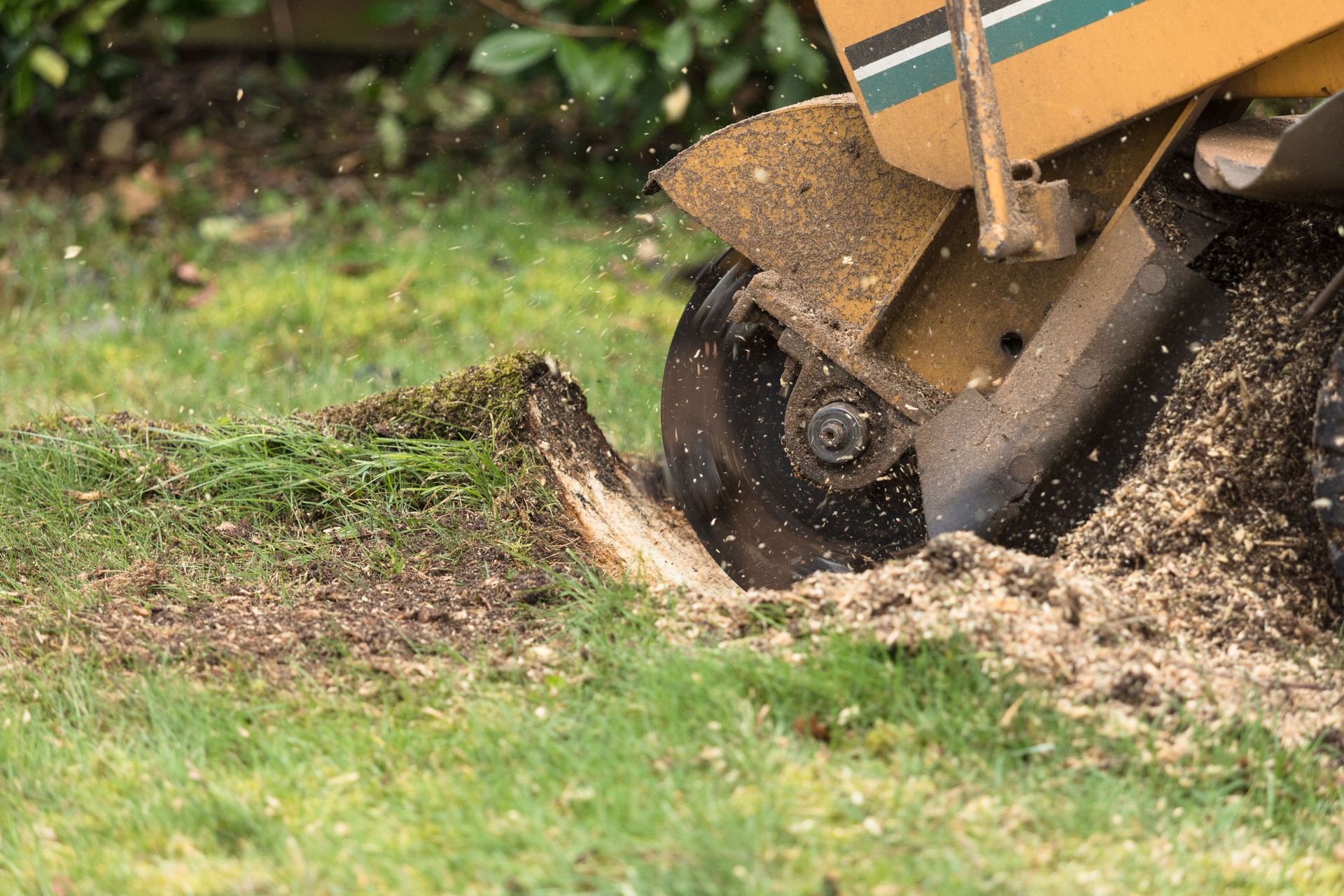
The development of safer and more efficient machinery is another facet of sustainable site clearing. Equipment advancements help minimize soil disturbance and reduce carbon emissions during the clearing process. Machines equipped with precision tools and energy-efficient systems provide effective tree removal while posing minimal threat to surrounding environments. Additionally, integrating automation can reduce labor costs and enhance safety protocols, making the process more reliable and sustainable. This technological evolution ensures that the growth in plant services is aligned with environmental health and safety standards.
Integrating Drone Intelligence
The integration of drone technology has revolutionized the industry by offering aerial assessments that inform strategic planning. Drones facilitate precise measurements of canopy height, spread, and health, aiding in the sustainable management of local flora. They enable efficient monitoring and data collection, allowing for informed decision-making in complex tree removal projects. Furthermore, the use of biodegradable materials, such as environmentally friendly lubricants and degradable ropes, decreases the ecological footprint of these operations. Collaboration with environmental scientists also aids in developing practices that support both urban growth and ecological preservation.
Implementing Government Policies
Government initiatives have become increasingly important in promoting sustainable management, providing guidelines for ecological preservation during development projects. These initiatives often mandate assessments of environmental impacts before a tree removal is authorized. Such policies ensure that only necessary extractions occur, complemented by reforestation or restoration efforts. By promoting sustainable practices, governments can harness policy tools to encourage corporate responsibility and environmental stewardship across industries. As climate concerns rise, regulatory measures become vital in guiding sustainable development.
Adopting International Standards
International standards and guidelines further reinforce sustainable practices, harmonizing efforts across global communities. These standards often include rules that emphasize biodiversity, soil health, and carbon sequestration. As these international guidelines gain traction, countries increasingly collaborate to address common ecological challenges. Global cooperation not only supports environmental sustainability but also enhances economic opportunities through eco-friendly innovations. By aligning tree removal practices with international standards, local industries can gain a competitive advantage in the expanding green market.
Creating Green Jobs
Job creation in the green economy is another significant benefit of adopting sustainable urban forestry practices. As demand for eco-friendly solutions increases, new opportunities arise for skilled professionals in areas such as environmental science, landscaping, and equipment manufacturing. Training programs and certifications in sustainable practices can prepare workers for these emerging roles, fostering a workforce equipped to meet the demands of a changing marketplace. By investing in human capital, industries contribute to economic resilience and drive innovation in sustainable practices.
Offering Eco-Friendly Products
The market for eco-friendly arboriculture products presents opportunities for companies to differentiate themselves and gain a competitive advantage. As consumer preferences shift toward sustainability, businesses offering environmentally conscious products and services can tap into new revenue streams. Long-term savings and return on investment from sustainable practices often outweigh initial costs, particularly as regulatory and societal pressures mount. However, challenges and barriers to economic adoption persist, including resistance to change, limited access to funding, and infrastructure limitations. Overcoming these challenges requires collaboration among industry leaders, policymakers, and communities.
Harnessing Artificial Intelligence
The future of sustainable plant care is closely tied to emerging technologies that harness innovation for ecological and economic benefit. Developments in robotics, artificial intelligence, and renewable energy sources promise to enhance the efficiency and effectiveness of modern practices. These technologies can aid in precise decision-making, reduce waste, and lower operating costs. Collaborative efforts in research and development can accelerate the adoption of these technologies, transforming the market into a model of sustainable growth. Continued investment in technological advancement will be essential in meeting the challenges of a rapidly changing environment.
Expanding Global Collaboration
The potential for global adaptation of sustainable practices is immense, with opportunities for knowledge exchange and shared solutions across international borders. Global adaptation fosters resilience to ecological challenges, such as climate change and biodiversity loss, and contributes to a sustainable future for all. By linking sustainable practices to reforestation efforts, industries can bolster their environmental contributions while enhancing carbon sequestration and habitat preservation. This linkage underscores the need for integrated strategies that address both extraction and replenishment, ensuring a regenerative approach to urban planning.
Promoting Interdisciplinary Solutions
Predictions for the next decade indicate a growing emphasis on interdisciplinary collaboration, bringing together experts from various fields to inform sustainable solutions. Such collaboration can lead to innovations in policy, technology, and community engagement, supporting a holistic approach to landscape management. Opportunities for interdisciplinary collaboration also include integrating canopy management with broader environmental initiatives, such as climate action plans and urban resilience strategies. By fostering a collaborative ethos, industries can drive positive change and create pathways for a sustainable and prosperous future.
As the demand for development and urban expansion grows, the necessity for sustainable plant management practices becomes increasingly critical. This article has outlined the importance of adopting eco-friendly methods that safeguard the environment while supporting urban needs. Industry leaders, policymakers, and communities are called upon to champion these practices through investment in technology, collaborative efforts, and education. The path forward lies in balancing ecological preservation with economic growth, ensuring a resilient and sustainable future for generations to come. For professional and environmentally responsible property care, rely on the Houston Tree Service Team.

Share On: